The MSP YouTube Channel Playbook: First 90 Days
An MSP YouTube channel strategy is the specific 90-day plan for what to film, how often to publish, and how the videos actually get found by IT buyers already searching YouTube for MSP comparisons. Most channels fail from a missing plan, not bad video quality.
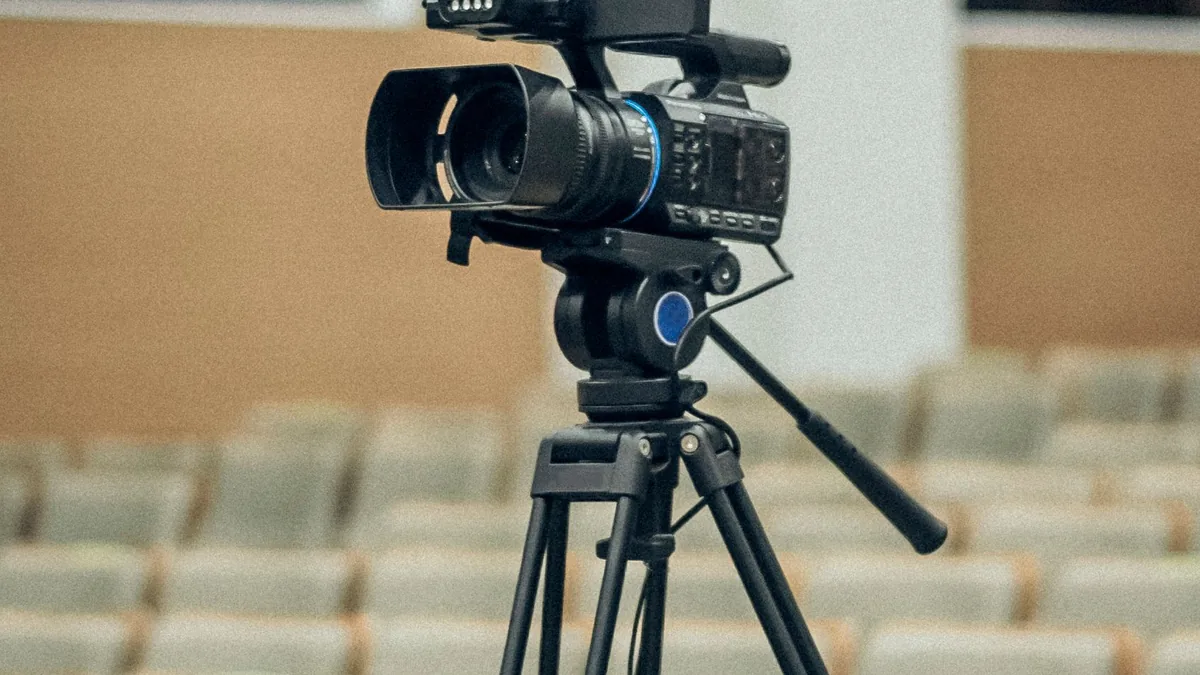
An MSP YouTube channel strategy is the specific 90-day plan for what to film, how often to publish, and how the videos actually get found by IT buyers already searching YouTube for MSP comparisons, not just a channel with videos uploaded to it. Most MSP channels fail in the first 90 days. Not from bad videos. From never having a plan.
The short version
The first 90 days of an MSP YouTube channel decide whether it survives past month four. Most channels fail from missing structure, not bad video quality: no content plan, no consistent publishing day, no distribution beyond the upload itself. A working 90-day plan covers three phases, in order: foundation, cadence, then distribution.
Most MSPs that try YouTube quit around month three. Six videos in, a handful of views each, and the owner decides video “doesn’t work” for MSPs.
It wasn’t the videos. It was the missing plan for the first 90 days, the exact window where a new channel either builds enough of a foundation to survive or quietly gets abandoned.
This playbook exists to close that: what to actually do in the first 90 days of an MSP YouTube channel, in order, instead of guessing at video ideas one upload at a time. It’s the execution layer underneath YouTube content services built for MSPs, useful whether your team is doing this directly or handing it to someone else.
Here’s why it’s worth the 90 days in the first place.
Why YouTube Specifically, Not Just LinkedIn
MSPs already post on LinkedIn. That’s not wasted effort. It’s just not the same audience, or the same intent.
According to Vidico’s B2B video marketing statistics, YouTube remains the most widely used video platform among businesses, with roughly 82% hosting content there, and 70% of B2B buyers watch video somewhere during their purchasing journey. 73% of B2B decision-makers say they’d rather watch a short demo video than read a whitepaper.
LinkedIn catches someone scrolling. YouTube catches someone searching, actively looking up “what does an MSP do” or comparing providers by name, with intent a LinkedIn post rarely carries. HubSpot’s own research found 29.58% of marketers planned to increase their YouTube investment specifically, not video investment generally. That’s not a platform trend. That’s buyer behavior.
None of that means LinkedIn doesn’t matter. It means the two platforms answer different moments in the buyer’s process, one built for staying visible to people who already know your name, the other built for getting found by people who don’t yet, which is exactly the gap most MSP marketing has never filled.
What Actually Counts as an MSP YouTube Channel
Uploading videos isn’t a channel. A channel is a specific, repeatable answer to three questions: what gets filmed, how often it publishes, and where it gets seen beyond the handful of subscribers who already know you.
Most MSPs skip straight to filming. Wrong order. The channels that survive past 90 days answer all three questions before the camera turns on once.

The First 90 Days, in Three Phases
Break it into three 30-day phases. Foundation, then cadence, then distribution. Skipping ahead is exactly how most channels stall.
| Phase | Days | Focus |
|---|---|---|
| Foundation | 1–30 | Pick one buyer question, write 12 titles, test the gear |
| Cadence | 31–60 | Publish weekly, same day, don’t skip a week |
| Distribution | 61–90 | Embed, clip, and link videos beyond YouTube itself |
Days 1-30: Foundation
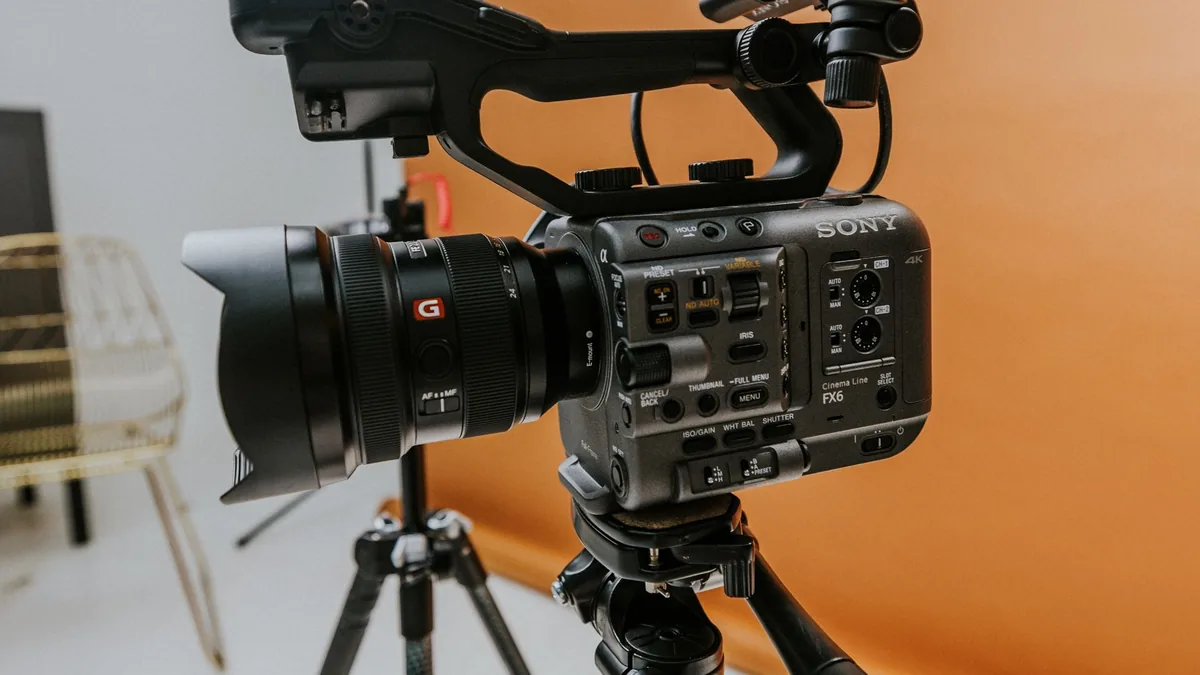
Nothing gets filmed yet, or almost nothing. This phase is planning: pick one buyer question the channel exists to answer, not five, and write down 12 video titles before touching a camera. Set up the actual gear. A decent microphone matters more than a fancy camera. Film one test video and don’t publish it. Just watch it back.
Days 31-60: Cadence
Publish weekly, same day, without exception, even when the video isn’t great. Consistency beats quality in this phase, because YouTube’s own system needs a pattern to learn before it starts recommending the channel to anyone. Four videos in, most owners want to quit. That’s the test. Not the failure.
Days 61-90: Distribution
Stop relying on YouTube search alone. Embed videos in relevant blog posts, like the ones already answering related buyer questions, share clips on LinkedIn, and add a video to the email signature. By day 90, a channel with 12 to 13 videos and real distribution behind it looks nothing like one with 12 videos and no plan.
Content Ideas That Actually Work for MSP Channels
Skip the generic “top 5 cybersecurity tips” video. Every MSP channel has one. Nobody remembers which.
- Client-question videos. Answer the exact question a prospect asked on a sales call last week, on camera, using their words.
- Behind-the-scenes tickets. A real, anonymized incident, walked through: what happened, how it got caught, what the client never had to worry about.
- Tool comparisons. The software decisions clients actually ask about, compared honestly, including the option you don’t sell.
- Local business spotlights. Short client interviews about their business, not your service. Trust transfers sideways better than it transfers from an ad.
- “What we’d do differently” videos. A real mistake, yours or a client’s, and what changed after it. Nobody trusts a channel with no mistakes in it.
Twelve of those, spread across the five types, covers the entire first 90 days without repeating a format twice in a row. By the time all twelve are live, the channel already looks like something a prospect would trust, not a test that quietly fizzled out in March.
What Happens to Channels That Skip the Planning Phase
The failure looks the same almost every time. Six videos in three different formats, no consistent day, no plan for where else the videos live besides YouTube itself.
View counts stay in the double digits. The owner checks analytics once, feels discouraged, and checks less. By month four, the channel isn’t dead. It’s just abandoned, sitting there as six videos nobody’s added to in a year, still occasionally surfacing in a prospect’s search and quietly undermining the active, modern impression it was supposed to build.
The prospect who finds that channel while comparing three MSPs doesn’t read it as an oversight. They read it as a business that started something and couldn’t follow through, which is a strange thing to accidentally signal to someone deciding who to trust with their infrastructure.
None of that is a YouTube problem. It’s a missing-plan problem.
How This Fits the Rest of Your Marketing
A YouTube channel doesn’t replace the rest of an MSP’s marketing. It feeds it. Video answers get embedded into service pages, repurposed into LinkedIn clips, and linked from blog posts that already rank, the same connected approach behind C4OS.
If the 90-day plan above is more than the team has time for, that’s exactly what YouTube content services built for MSPs are for. Someone who already knows the format handles the planning and the camera, while your team handles the answers only they actually know.
Either way, the 90 days matter more than the tool. A well-run channel with a basic camera beats an expensive setup with no plan behind it, every time.
Common Questions
How often should an MSP actually publish on YouTube?
Weekly, starting in the second 30-day phase.
Less often than that, and YouTube’s system doesn’t have enough of a pattern to start recommending the channel to new viewers.
Do we need expensive camera equipment to start?
No.
A decent microphone matters more than the camera. Most of the first 30 days should go toward planning content, not shopping for gear.
How long before an MSP YouTube channel actually gets views?
Most channels see meaningful traction after 8 to 12 consistent videos, closer to month four or five than month one.
The first 90 days build the foundation that traction depends on.
Should the owner be on camera, or can a technician do it?
Whoever can answer buyer questions clearly and consistently shows up.
Consistency matters more than which specific person is on camera.
What’s the biggest reason MSP YouTube channels fail?
Missing structure, not bad videos.
No content plan, no set publishing day, and no distribution plan beyond the upload itself.
Can C4 just handle this instead of the internal team?
Yes, that’s what YouTube content services built for MSPs are for.
Planning, filming guidance, and distribution, without it falling on someone who already has a full-time job.
Your first 90 days need one plan, not twelve video ideas.
Book a 30-minute Growth Strategy Call and we’ll map out exactly what your channel should film first.
Book a Growth Strategy Call